CITIZENSHIP SPECIALISTS

Spanish Citizenship by Descent Puerto Rico: Who Qualifies?

Being Puerto Rican does not automatically give you a right to Spanish citizenship simply because Puerto Rico was once part of Spain. However, many Puerto Rican families do have Spanish ancestors, and a documented connection to a person who was Spanish may open a current legal route. The key is identifying that person and proving the family chain between you and the Spanish ancestor.

100% Online Service
from Puerto Rico

Personalized Legal
Advice

Over 10 Years Helping
Spaniards Worldwide

PUERTO RICO, USA

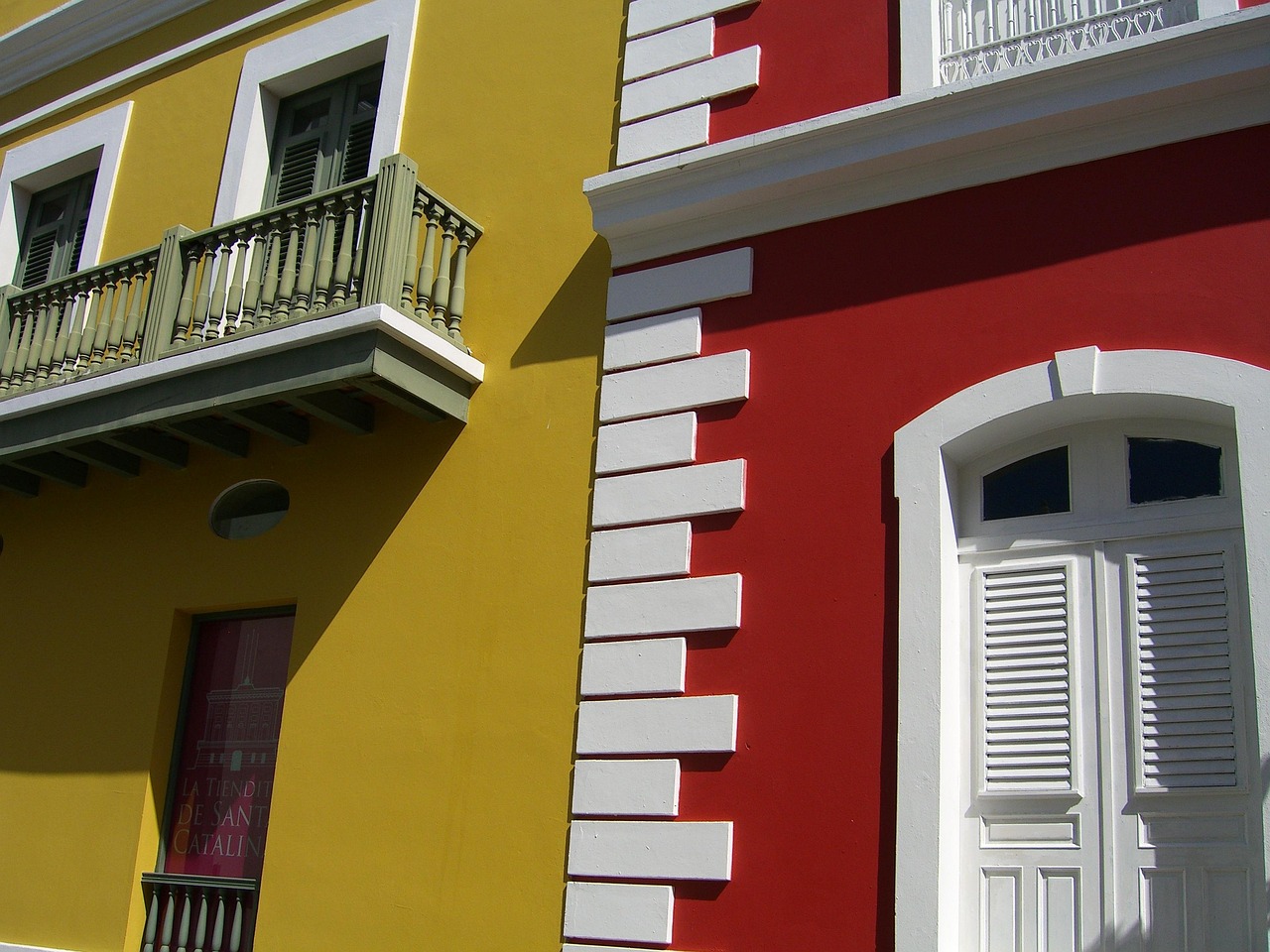
Arquitectura colonial española en el Viejo San Juan, Puerto Rico

Your story
matters too

SPANISH CITIZENSHIP IN PUERTO RICO

Handle Your Spanish Citizenship by Descent Case From Puerto Rico With Full Legal Certainty

Can Puerto Ricans get Spanish citizenship by descent? Yes, when they meet the requirements of a current Spanish citizenship route. The right does not arise collectively from Puerto Rico’s history as Spanish territory. It depends on the citizenship status of a specific family member and how that person is related to you.

For example, these are very different situations: your father or mother was Spanish when you were born; your parent was originally Spanish and born in Spain; your grandparent was originally Spanish; your great-grandparent was born in Spain; or your ancestor was born in Puerto Rico before the change of sovereignty in 1898. Each situation must be analyzed under the relevant provisions of the Spanish Civil Code.

The documentary process normally begins with names, birthplaces and approximate dates. From there, certificates are used to connect each generation without gaps. A Spanish surname or family story can be a useful clue, but neither proves a legal right by itself.

Not sure whether your family connection qualifies? Tell us who your Spanish or Puerto Rican ancestors were and what you already know about them. We can assess which route is worth investigating before you order documents.

Historical Context

Why Did Puerto Rico Stop Being Spanish, and What Does That Mean Today?

Spanish colonial architecture in Old San Juan, Puerto Rico
1898Treaty of
Paris

Spain ceded Puerto Rico to the United States under the Treaty of Paris signed on December 10, 1898, which ended the Spanish-American War. You can consult the historical treaty published by the Library of Congress.

Article IX addressed the status of Spanish subjects and the native inhabitants of the ceded territories. The change of sovereignty did not create a rule under which everyone born in Puerto Rico before 1898 automatically transmitted Spanish citizenship indefinitely to their descendants.

That is why an ancestor's birth in Puerto Rico while the island was under Spanish sovereignty can be historically relevant without being sufficient, by itself, to establish your citizenship today. We need to determine who that ancestor was, what citizenship status applied to that person and what happened in each subsequent generation.

Searching for Spanish citizenship by Puerto Rican descent can therefore be misleading if it suggests that Puerto Rican ancestry itself is a legal route. The real analysis is individual and documentary.

Spanish Migration to Puerto Rico: Finding the Spanish Ancestor

Many Puerto Rican families trace part of their history to migrants from the Canary Islands, Galicia, Catalonia, Mallorca and other parts of Spain. That history is useful because the Spanish ancestor may be closer than you initially think.

A surname such as García or Rodríguez does not prove anything on its own. What matters is identifying a particular person.

How Do You Find an Ancestor Born in Spain?

Start with the closest reliable family documents you already have. Puerto Rican birth, marriage and death certificates may contain:

  • parents' names;
  • grandparents' names;
  • places of birth;
  • approximate ages;
  • alternative surname spellings;
  • and other information that points to the Spanish municipality of origin.

These clues can then be compared with Spanish Civil Registry records, parish records, municipal archives and historical sources.

If all you know is that your great-grandfather came from Mallorca or the Canary Islands, the first objective is not immediately to request a Spanish certificate. It is to narrow the search enough to identify the correct person and avoid confusing relatives or people with the same name. This documentary investigation is especially important in Puerto Rican Spanish citizenship by descent cases where the family connection goes back several generations.

Legal Framework

Routes to Spanish Citizenship for Puerto Ricans by Descent

Spanish citizenship for Puerto Ricans by descent can involve several different legal routes.

Route 1

Your Parent Was Spanish When You Were Born

If your father or mother was Spanish at the time of your birth and the requirements of Article 17 apply, you may be Spanish by origin. The issue may therefore involve proving and registering an existing status rather than obtaining citizenship through residence.

Route 2

Your Parent Was Originally Spanish and Born in Spain

Article 20 of the Spanish Civil Code provides a right of option in certain situations, including people whose father or mother was originally Spanish and born in Spain.

Route 3

Your Parent or Grandparent Was Originally Spanish

If you were born outside Spain and your father, mother, grandfather or grandmother was originally Spanish, Article 22 can reduce the required legal residence in Spain to one year, provided the other requirements are satisfied.

Our Support

How Can We Help With Spanish Citizenship in Puerto Rico?

At Díaz & Asociados, we can handle both sides of the problem: determining the legal route and reconstructing the family documentation needed to support it. We start with what you already know. We then review your family connection and eligibility, identify and locate missing Spanish records, organize the documentary chain, review apostille and translation requirements, prepare the application file where appropriate, follow up on requests for additional documentation, and explain which stages require your personal attendance.

01

Review Your Case

We review your family connection and eligibility, and identify and locate any missing Spanish records.

02

Organize the Documentation

We organize the documentary chain and review apostille and translation requirements.

03

Prepare and File

We prepare the application file where appropriate and follow up on requests for additional documentation.

04

Guide You Through Each Step

We explain which stages require your personal attendance.

Documentation

Documentation: Where These Cases Often Get Stuck

Once the legal route is identified, the next challenge is proving it — assembling the documentary chain that supports it. Doing this in the right order helps you avoid paying for unnecessary certificates or apostilles.

Puerto Rico's vital records office is the Registro Demográfico. Its official website explains how to request birth, marriage and death certificates.

Puerto Rico also has specific rules for documents that need an apostille. The Puerto Rico Department of State requires the original document for apostille requests and specifies that Puerto Rico birth certificates must have been issued on or after July 1, 2010.

Necessary Tasks

This Is Why the Order Matters

Before requesting multiple certificates or paying for apostilles, we first determine which documents are relevant to the legal route.

Free Consultation

Document Checklist

  • Spanish long-form birth certificates.
  • Puerto Rican birth, marriage and death certificates.
  • Parish records where no civil certificate exists.
  • Hague Apostilles.
  • Corrections to names or dates.
  • Sworn translations when a document is not in Spanish.

A document already written in Spanish generally will not need a Spanish translation. Documents in English may require a sworn translation depending on the authority and procedure.

Dual Nationality

What About My U.S. Citizenship?

This question should be analyzed together with the Spanish route you are using. Puerto Rico has a particularly important position under Spanish nationality law: the same 2007 Spanish administrative resolution mentioned above treated people native to Puerto Rico as Ibero-American for purposes including the exemption from the declaration of renunciation applicable in certain Spanish citizenship procedures. At the same time, U.S. citizenship is governed by U.S. law.

That means you should not reach conclusions simply from the passport you use or from what happened in another family member's case. Our separate guide to dual citizenship between Spain and the United States explains the interaction between the two systems in greater detail. Before making citizenship declarations, the exact route and your personal circumstances should be reviewed.

Spain
San Juan, Puerto Rico

A legal team by your side, wherever you are.

Consulate & Puerto Rico Specifics

Spanish Consulate in San Juan and the Reduced Filing Period for Ibero-Americans

If you live on the island, the competent Spanish consular office is generally the Consulate General of Spain in San Juan, whose official consular district covers Puerto Rico, Vieques, Culebra and the U.S. Virgin Islands. If you live in the continental United States, consular jurisdiction will instead depend on your place of residence.

01

Consulate in San Juan

If you live on the island, the competent Spanish consular office is generally the Consulate General of Spain in San Juan. If you live in the continental United States, jurisdiction instead depends on your place of residence.

02

Reduced Filing Period for Ibero-Americans

Article 22.1 reduces the ordinary residence requirement to two years for nationals by origin of Ibero-American countries, among other groups. A 2007 resolution published in the Spanish Official State Gazette treated people native to Puerto Rico as falling within the concept of Ibero-American countries for nationality purposes and expressly linked that interpretation to the two-year residence rule. This does not mean every person with Puerto Rican ancestry automatically qualifies — your place of birth, status and individual circumstances should be reviewed before relying on this route.

Importante

The filing period under Spain's Democratic Memory Law ended on October 22, 2025. Cases properly initiated within the deadline may continue, but the temporary route is no longer open to new applications.

Work Process

How Do We Work? Our Timelines and Process

At Díaz & Asociados, the first thing we do is reconstruct your family history step by step. We then determine which route applies to you, gather or request the necessary documents, and finish reviewing what's missing from your file before filing it.

01
02
03

Identifying the Family Connection

We start with names, places and dates, verifying the relationship through certificates that connect each generation, making sure there are no gaps.

Locating Documents

We locate records in Spanish archives and request the necessary certificates from Puerto Rico's Registro Demográfico.

Filing and Follow-Up

We prepare and file your application, following up on requirements, registration and the oath of allegiance when applicable.

01

Identifying the Family Connection

We start with names, places and dates, verifying the relationship through certificates that connect each generation, making sure there are no gaps.

02

Locating Documents

We locate records in Spanish archives and request the necessary certificates from Puerto Rico's Registro Demográfico.

03

Filing and Follow-Up

We prepare and file your application, following up on requirements, registration and the oath of allegiance when applicable.

Spain
Puerto Rico

A legal team by your side, wherever you are.

How We Assist You

Our Office Is in Spain, But Our Commitment Reaches Puerto Rico

We support you wherever you are. We work directly from Spain and communicate with you by video call, so you can explain your case and easily share all your documents electronically.

Although we do not have a physical office in Puerto Rico, we can handle procedures directly with the Spanish registry and coordinate all the documentation required by the authorities.

Free Consultation

FREQUENTLY ASKED QUESTIONS

Frequently Asked Questions About Spanish Citizenship from Puerto Rico

No. Puerto Rican origin alone does not grant Spanish citizenship. You must qualify under a current legal route, whether through a Spanish family connection, residence or another provision of Spanish nationality law.

It can be relevant, but the historical fact alone does not establish your right to Spanish citizenship. The ancestor’s citizenship status and the legal and documentary chain through the following generations must be examined.

Start with the closest Puerto Rican family certificates and gather the full name, approximate date and possible Spanish municipality of birth. Those clues can then be checked against Spanish civil and parish records.

It may be possible, but the answer should be based on the Spanish route you are using and the U.S. rules that apply to you. Puerto Rico also has specific treatment under Spanish nationality doctrine, so your individual circumstances should be reviewed before making any formal declaration.

CONTACT US

Start Your Spanish Citizenship Case From Puerto Rico

Want us to assess a Spanish citizenship by descent Puerto Rico case? Tell us your family history and the documents you have. We will identify what still needs to be investigated before recommending the next step.

Esta web utiliza cookies propias y de terceros para su correcto funcionamiento y para fines analíticos. Contiene enlaces a sitios web de terceros con políticas de privacidad ajenas que podrás aceptar o no cuando accedas a ellos. Al hacer clic en el botón Aceptar, acepta el uso de estas tecnologías y el procesamiento de tus datos para estos propósitos.
Privacidad